
ByteDance
Seedream
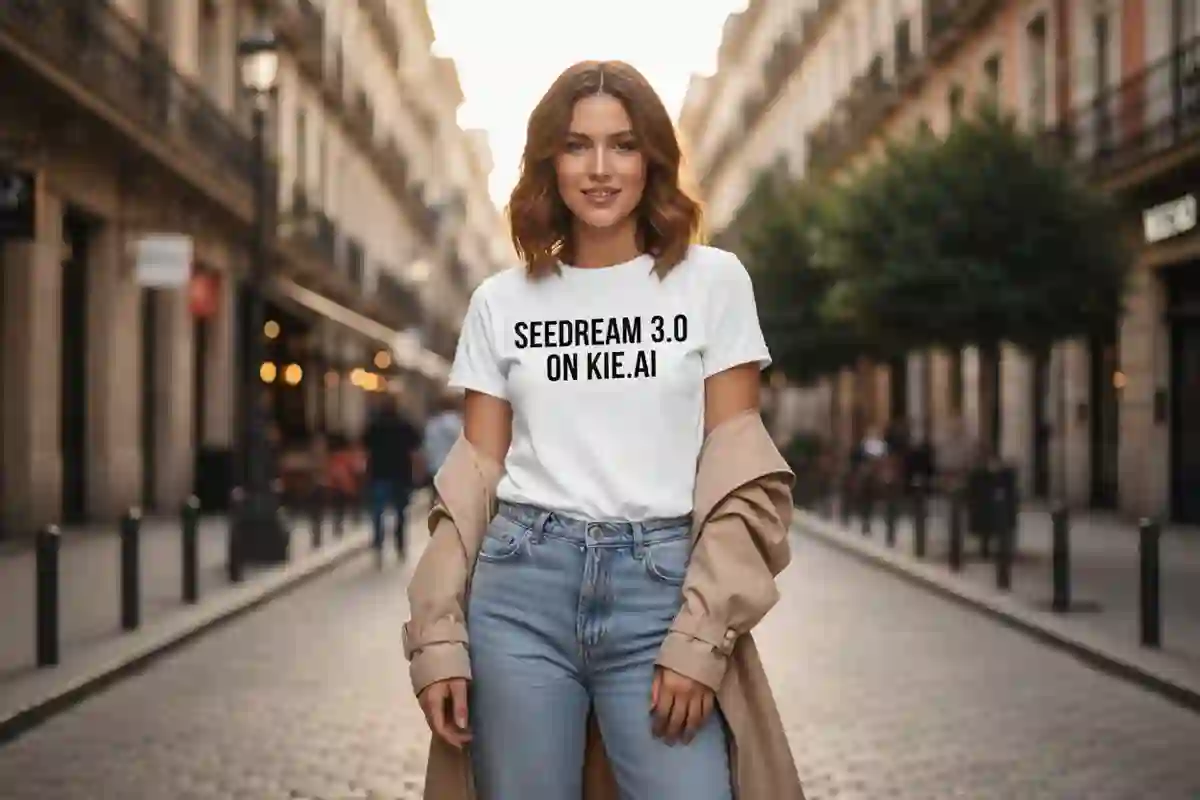
Seedream 3.0 API is ByteDance’s next-generation text-to-image API, designed for high-resolution, bilingual image generation. Compared to Seedream 2.0, the new Seedream v3 API brings major improvements in speed, resolution, text rendering, and aesthetic quality. You can try Seedream 3.0 API for free on UniRouter.
Pricing
| Tier | UniRouter | Market |
|---|---|---|
| input image · First image free | $0.003 | $0.003 |
| Layer Decomposition · 1.5K | $0.035 | $0.068 |
| Layer Decomposition · 1K | $0.035 | $0.068 |
| Layer Decomposition · 2K | $0.07 | $0.135 |
per image
About this model
Brands and designers can use the Seedream v3 API to create posters, banners, and advertisements with professional typography. Its ability to render small and multilingual text makes it ideal for marketing visuals that require accurate branding elements.
Deep dive
Creative Design and Marketing with Seedream v3 API
Brands and designers can use the Seedream v3 API to create posters, banners, and advertisements with professional typography. Its ability to render small and multilingual text makes it ideal for marketing visuals that require accurate branding elements.
Realistic Portraits and Cinematic Visuals via Seedream AI API
Seedream AI API generates photorealistic portraits with expressive detail and cinematic environments with high aesthetic quality. This makes it useful for entertainment media, editorial design, and concept art creation.
AI Applications Using ByteDance Seedream API
ByteDance Seedream API generates visually engaging, on-brand content that boosts creativity and supports AI application business goals, from product interfaces to branded assets.
Call it with one request
Works with the OpenAI SDK — just change the base URL.
curl https://api.uniroute.dev/v1/images/generations \
  -H "Authorization: Bearer $UNIROUTE_API_KEY" \
  -H "Content-Type: application/json" \
  -d '{
    "model": "seedream",
    "prompt": "A lighthouse on a cliff at golden hour",
    "size": "2K"
}'Related models
 Popular
Create clearer infographics, edit images with precision, generate realistic portraits, and build multilingual visual content with ByteDance’s advanced Seedream 5.0 Pro model on UniRouter.
Access Seedream 5.0 Lite API on UniRouter for reasoning-driven image generation. Try it free in the playground or integrate via API to build scalable text-to-image and image editing workflows.
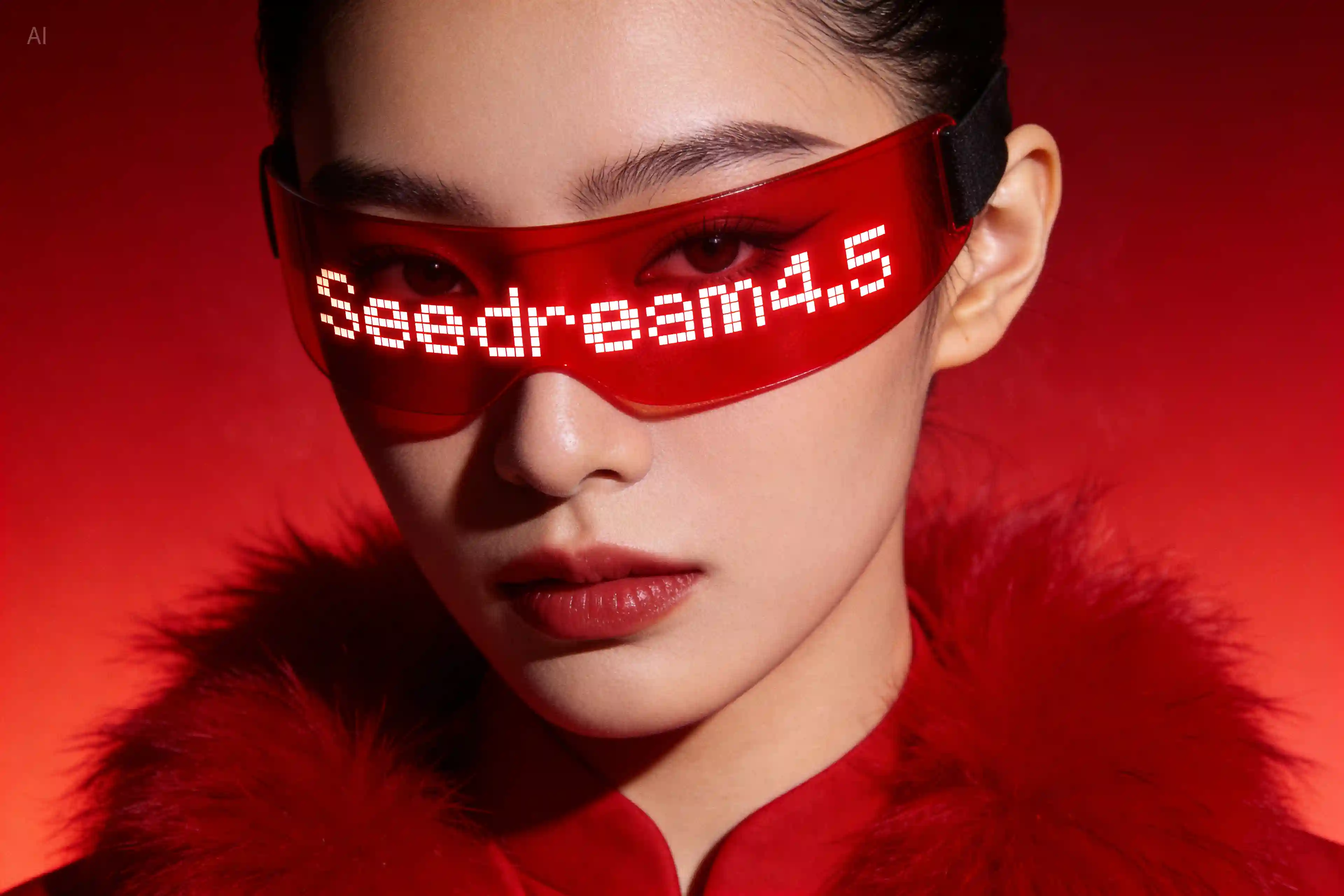
Access Seedream 4.5 for 4K text-to-image generation and structured image editing with consistent detail, stable subjects, and clear small-text rendering. Use Seedream v4.5 Edit Image API for precise adjustments and multi-image workflows, or test everything instantly in UniRouter’s online playground.